
I will always remember watching my mother at the bathroom mirror. There was a sense of magic in that medicine cabinet, shelves of colour, lipsticks, and creams. Magic creams. She would pick out a selection of jars and tubes often labelled similarly: firming, restorative, smoothing, anti-ageing. She was twenty years younger then, but the goal was clear: rewind the clock.
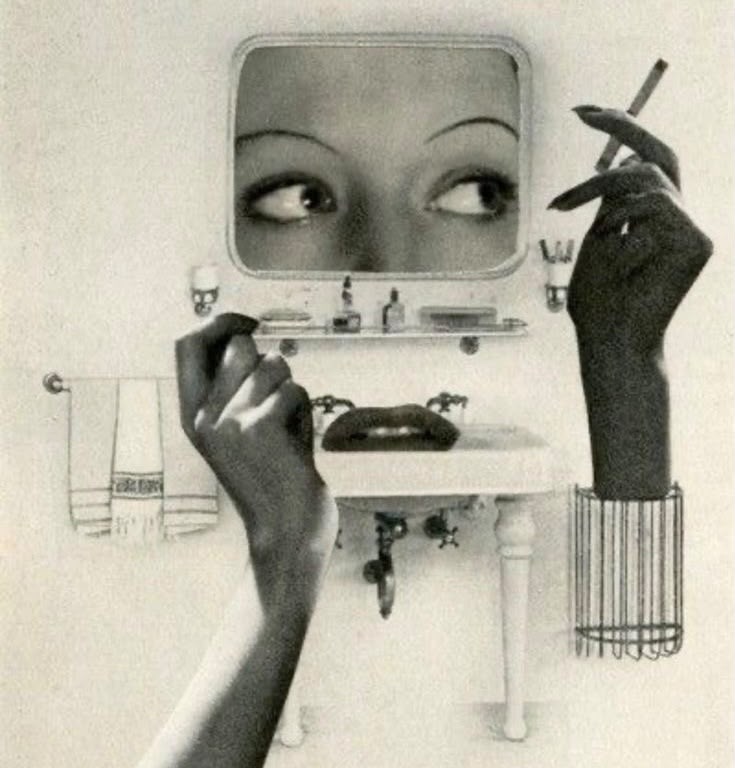
Over my years, I have come to understand that this goal is an impossible standard: The Youth Paradox. Women are taught from childhood that ageing is a moral failure, yet culture punishes them whether they try to ‘fix’ this failure or let it happen.
There is much a woman can do to ‘not-age’, ranging from my mother’s creams to grey-covering hair dye and, for the women who can afford it, cosmetic surgery appears to serve as the ultimate, all-in-one anti-ageing procedure. While, culturally, a woman’s wrinkles act as a visual reminder of her deviation from a past, beautiful youth, for a steep price, a facelift appears to do it all. Kris Jenner’s facelift in 2025 made headlines throughout the beauty space. Speculated to cost upwards of $150,000, Jenner’s procedure was celebrated consistently, with Fox News commenting on her “youthful” appearance, and the star defended her surgery, her new tighter skin allowing her to “be the best version” of herself. Social media flooded with praise, fans throwing around beauty buzzwords like ‘glow’ and ‘age-defying’. One Google search of ‘Kris Jenner facelift’ and your screen will be overflowing with never-ending before and after photos, but praise is short-lived. Since her procedure in 2025, the press now labels Jenner’s face, rather cruelly, as “slipping”, implying a strict and narrow space in which a woman’s anti-ageing is deemed acceptable.
When cosmetic work crosses an invisible line, as media coverage of Katie Price suggests, the rhetoric turns to ridicule and hate. Still, natural ageing offers no refuge. When Pamela Anderson stopped wearing makeup, responses remained divided, with some speculating that this was a media stunt, or suggesting she looked unpolished.
Naturalness is an illusion. One needn’t be unaltered to reap the compliment of ‘natural beauty’, and even still, radical naturalness makes headlines. Society demands that the woman must maintain a youthful and natural appearance, yet often her way of gaining this is fundamentally altering the naturalness of her ageing. Non-altered ageing is equally judged. It appears that society grants an infinitely narrow space in which women can be perfect; in return, the woman must pretend this is effortless.
Historically, Hollywood acts as a cultural mirror of the youth paradox, portraying differences in perceived desirability based on age and gender. Classic Hollywood frequently featured age-gap relationships (for example, 40-year-old Gene Kelly opposite 19-year-old Debbie Reynolds in Singin’ in the Rain or 25-year-old Kim Novak alongside 50-year-old Jimmy Stewart in Vertigo). Mina Le’s video essay on age-gap romances highlights the on- and off-screen relationship between Lauren Bacall and Humphrey Bogart. Marrying when Bogart was 45 and Bacall was just 20, in fear of public backlash regarding an affair, Warner Bros practically reinvented Bacall’s image, marketing her as mature and sophisticated.
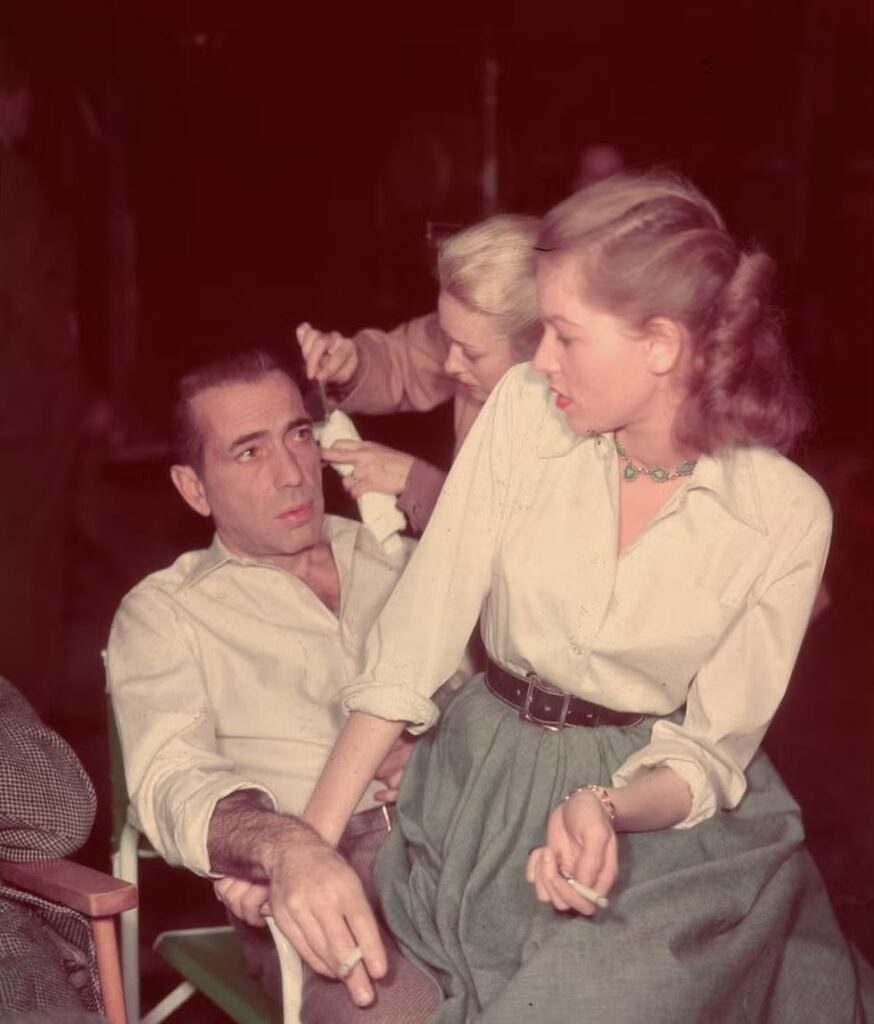
Le references a 1945 Knoxville News Sentinel piece titled “Bad boy Bogart and sultry Bacall have tied the knot today”, explicitly idealising the relationship and placing a seductress stereotype on the young actress, masking the unequal power dynamic.
These age gaps are not anachronistic. The James Bond franchise (1962-2021) consistently depicts age gap relationships where Bond is, on average, roughly 15 years older than the female love interest. Where the seemingly distinguished man is consistently partnered with a much younger woman on screen, these gaps appear to signal a strong sense of value based on how age intersects with gender. That is, for men, their age is a signal of experience and should therefore be aligned with the equally valued ‘youth and beauty’.
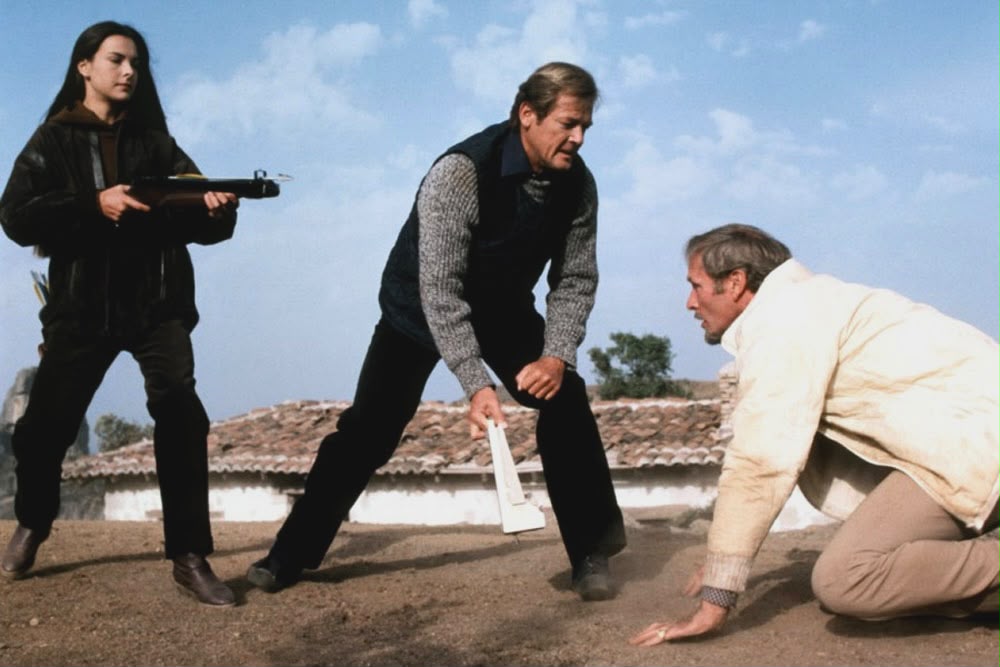
The actor’s age gap between Roger Moore and Carole Boquet was 30 years. Moore was
54 and Boquet was 24 when they filmed the 12th instalment of the James Bond franchise
in For Your Eyes Only (1981)
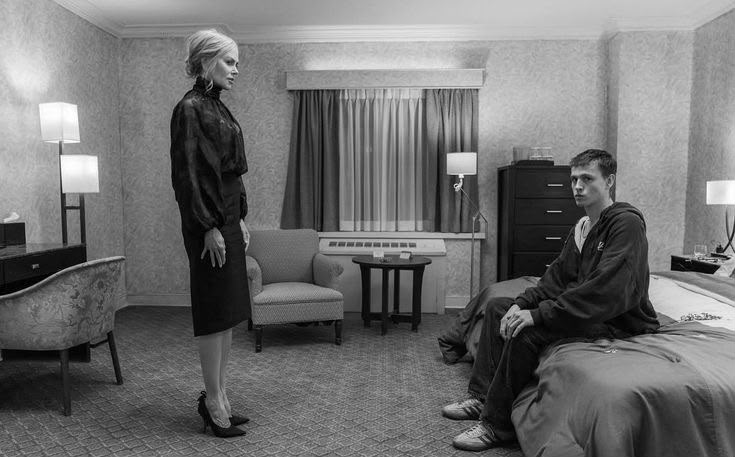
Perhaps this dynamic is changing. Recent cinema has seen a push to subvert traditional age gaps, now placing older women opposite younger men. 2024 seemed to signal a shift into these newer film relationships; take, for example, Nicole Kidman’s Babygirl and A Family Affair, orAnne Hathaway’s The Idea of You. For these films, though, this subversion remains conditional, as their plots focus explicitly on the shock factor of the woman’s age, with Hathaway’s character even saying “I’m too old for you… I could be your mother”. One may also consider the casting choices of the female actors who are granted these older romantic leads. Perhaps choosing the likes of Kidman and Hathaway stems from a prior knowledge of these women as Hollywood romantic icons. In other words, these actors are not just older women. Their age is intrinsic to their roles, which are not granted to just any older female actor. It seems their essence as older romantic leads clings to a cultural awareness of them as ‘beautiful young women’, emphasising how, even when attempting to subvert, society still cannot shake this perceived female value.
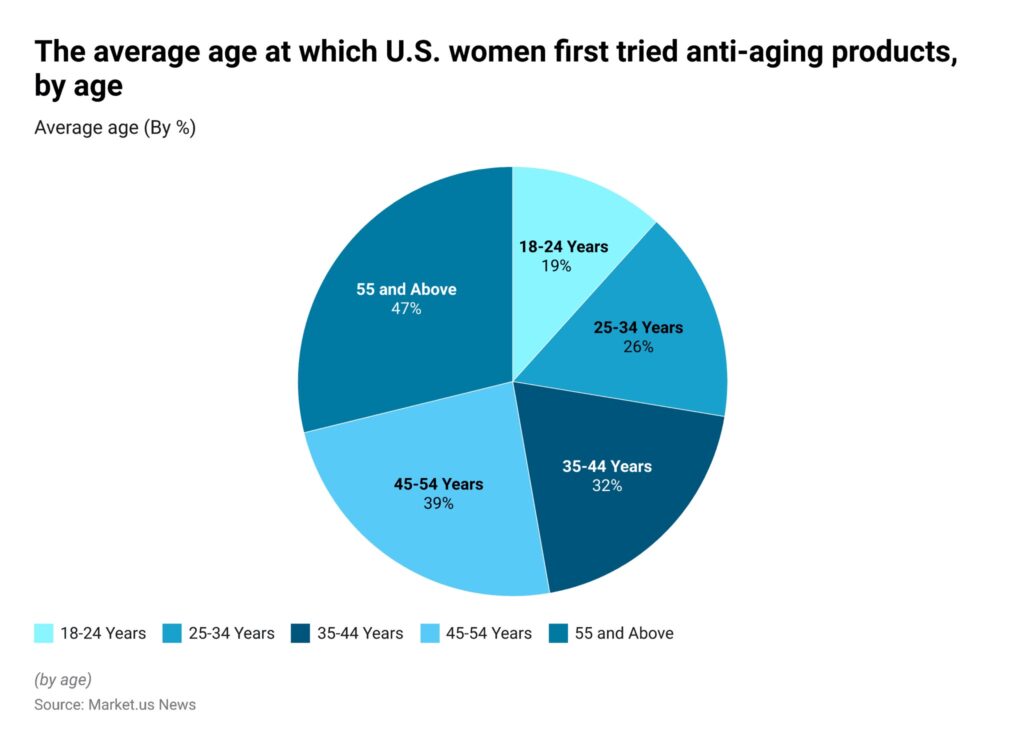
This fear of ageing is no longer purely an adult burden, trickling down to Gen Z and Gen Alpha, with young girls being increasingly exposed to and exploited by the societal disgust towards women’s ageing. As of 2025, the anti-ageing industry had a market size upwards of $74 billion (USD), and is projected to grow to over $145 billion by 2035. Due to social media and the influx of young influencers on platforms such as TikTok, anti-ageing products have become desired by increasingly younger markets, with the term “Sephora Kids” being used to denote a trend of young girls using advanced adult skincare and makeup. The US National Institutes of Health warns of the risk of irritation from active ingredients such as retinols and exfoliating acids on young, delicate skin. The harm, however, isn’t just physical but social too. Due to these platforms, the anxiety regarding ageing has now reached impressionable audiences, teaching them to fear ageing before they’ve experienced it, as the industry continues to capitalise on this fear.
‘Anti-ageing’ is merely a marketing term, used as packaging to deliver a ‘cure-all’ product for the fear of growing old. More than this, it’s a commercial oxymoron: indicating that one can be stuck in a perpetual state of youth. Of course, this is not possible, and we cannot truly stop ageing. Women’s bodies and choices continue to be scrutinised by the media, and as a society, we have a long way to go to normalise the ageing of women. Culturally, women’s ageing is depicted purely as the physical: the wrinkles, the greying hair and so on, the sign of perceived visual and social decline. But I propose a reframe. It is the wrinkles and the grey hair that are the visual evidence of experiences gained and a life lived, which give them innate and fundamental beauty.
You cannot stop time, but you can learn to enjoy it. So, yes, you are ageing gracefully.
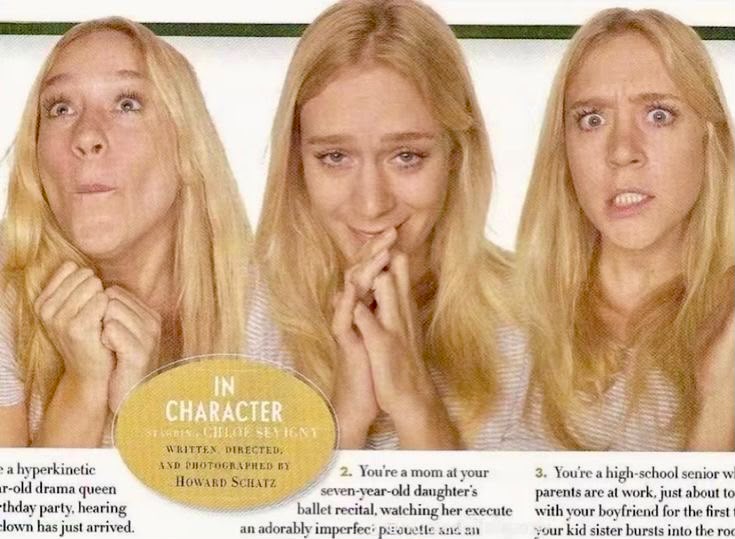
Howard Schatz, ‘In Character: Starring Chloë Sevigny’, Vanity Fair, Apr. 2008.
Schatz’s ‘In Character‘ series connects to aging gracefully by celebrating emotional
agility and the beauty of a life fully lived. The work highlights expressive autonomy and
emotional flexibility as essential elements of growing older with grace.
Leave a Reply