
With the 2025 Met Gala set to explore ‘Superfine: Tailoring Black Style’, it is perhaps unsurprising that worries surrounding cultural appropriation have emerged.
‘Am I the only one nervous about this?’
One user wrote in the Instagram announcement of this year’s theme.
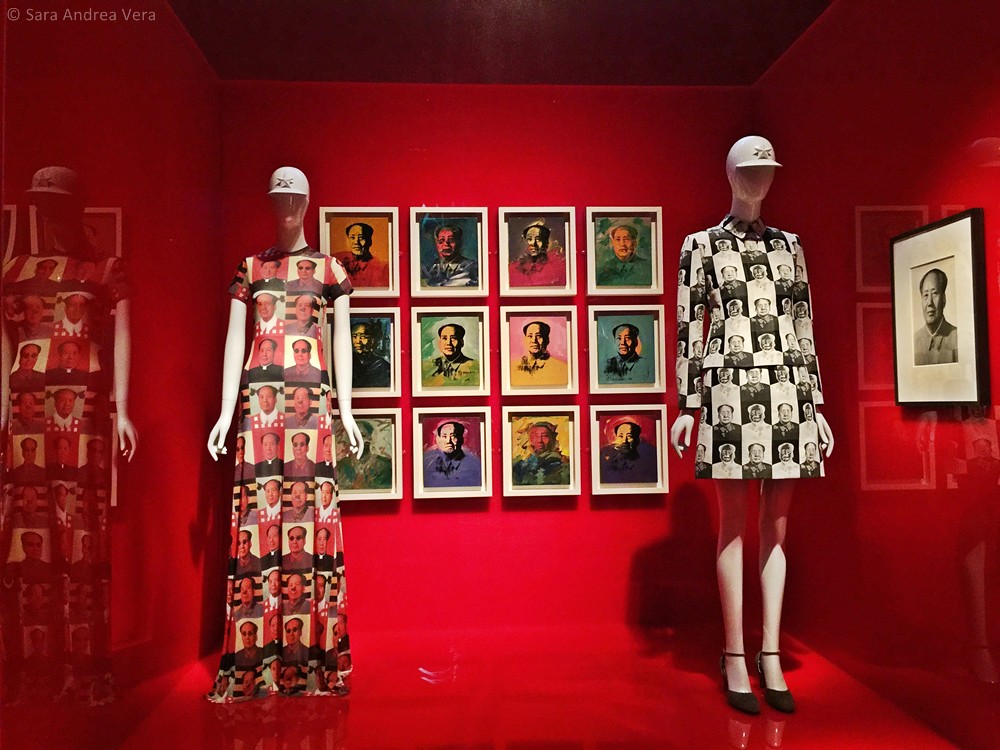
Indeed, past themes which examined other cultures have famously provided some anxiety-inducing couture. 2015’s ‘China Through the Looking Glass’ displayed the disparity between cultural reality versus Western culture’s often fantastical interpretation of it. Sexualised traditional garments, chopsticks in hair and Mao Zedong’s face printed Warhol style on dresses left a bad taste in many critics’ mouths.
Controversially for 2022’s ‘Gilded Glamour’, influencer Emma Chamberlain flaunted a $30 million Cartier choker. It originally belonged to Maharaja Bhupinder Singh of Patiala, called by some as ‘part of India’s stolen history’. This ultimately served as a reminder of the harmful potential of fashion to uphold racial hegemonies. The necklace was either worn in ignorance of its origins or in a quiet arrogance of it.
It is undeniable that the boundary between cultural appreciation and appropriation can be tricky to navigate. A white celebrity utilising the exotic mystique of foreign jewels for the sake of a runway talk piece ultimately feels like a cheap trick. ‘Assimilation’ is often where erasure begins, as the identity and message of clothes are reduced to a commodifiable aesthetic.
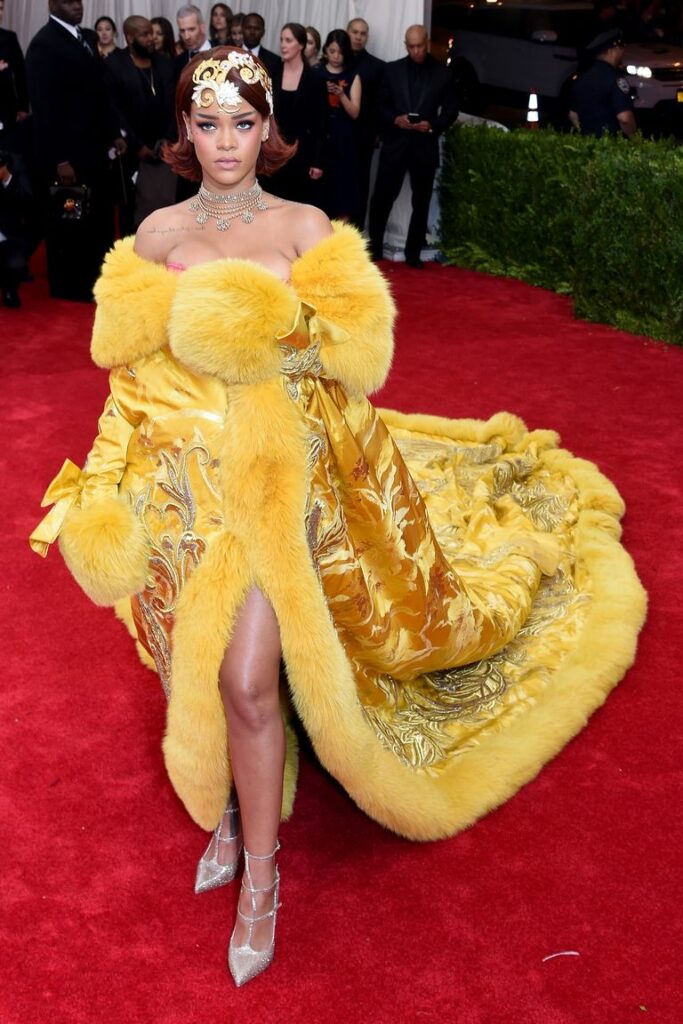
If we want to be schooled on tasteful appreciation, Rihanna’s regal Guo Pei gown in 2015 elegantly demonstrated how to celebrate other cultures’ fashion whilst avoiding trivialisation. Rather than relying on Western interpretations of Chinese culture, she made the effort to contextualise China through those with actual proximity to it. Yet many celebrities sacrifice the opportunity to work with independent designers for the sake of flashing big fashion houses.
Perhaps Vogue felt they had to avoid placing the pressure of putting celebrities in the compromising position of interpreting other cultures. Since 2015, they have seemingly avoided direct reference to non-white racial identities in their themes. Yet, we must confront why we are so afraid of being made uncomfortable. The current zeitgeist is so fearful of backlash that it places self-preservation before dialogue, connection and understanding.
If appreciation is what we truly want, perhaps unapologetic boldness is the answer. This year’s focus on the history of the black dandyism movement follows on from the introspection on American identity in 2021’s ‘In America: A Lexicon of Fashion’ and 2022’s ‘In America: An Anthology of Fashion.’ Perhaps Vogue is playfully telling its attendees to engage more thoughtfully and politically with their fashion choices this year, with their direct focal point on the black dandy. Attendees will certainly struggle to lean into purely aesthetic adherence to the theme this year.
The theme’s origins are fittingly all about being unapologetic. Black dandyism emerged from the post-emancipation era, in the beating heart of the Harlem Renaissance. Polished shoes, sharp suits and looking superfine became a statement of individuality and a challenge to those who had told them that these forms of expression were not for them.
Colman Domingo, a co-chair of this year’s Met, mirrored these sentiments in his celebration of the theme:
‘The idea of honouring the black dandy matters. To look at the history and impact we’ve had on culture and design and music… it’s just a beautiful, beautiful moment’
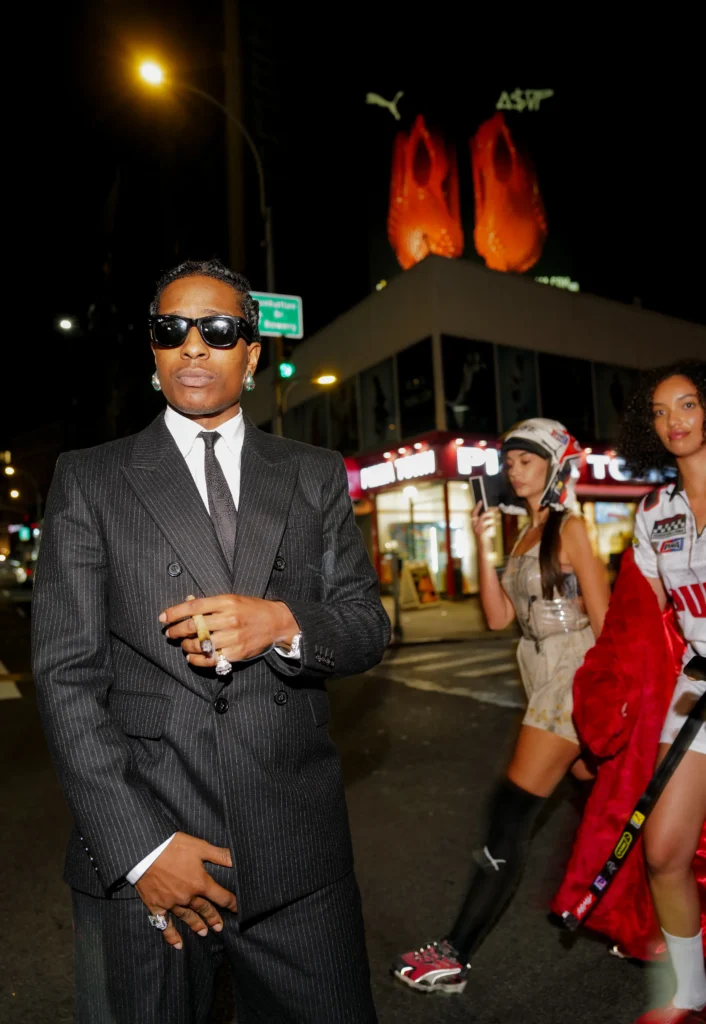
Fashion personalities such as Dapper Dan and A$AP Rocky continue to incorporate the spirit of this era in their everyday style. Contemporary dandyism embraces modern and classical styles; the most important thing is communicating the individual. As the prominent dandy Beau Brummel put it:
‘Don’t talk about yourself, let your clothes do the talking’
A palpable tension will be created between the roaring 20s and the present. The 20s are an era renowned for glimmering modernity and glamour. Yet this surge in innovation in fashion, music and culture was built largely on the foundations of underpraised black creatives. How can looking back prevent us from continuing the same patterns in the present? The theme will force white attendees to reflect on the political weight of their fashion choices, whilst giving black creatives a well-deserved spotlight.
All will be revealed as people own up to their visions and interpretations of black American culture. This is an integral moment of fashion acknowledging itself as an institution with the power to uphold and (possibly dismantle) racial disconnects. If people are foolish enough not to offer a compelling message or engage with black talent, then they will inevitably stick out.
Leave a Reply