
There was a time when opening a gift didn’t involve ripping. No glitter explosion. No plastic ribbon recoiling into the bin. In a season built on nostalgia and memory, our wrapping rituals have become strangely disposable.
This year, I’ve been thinking about what it would mean to slow that moment down and to wrap presents in ways that feel intentional, storied, and a little bit romantic. Looking backward, it turns out, offers some of the most refreshing alternatives.
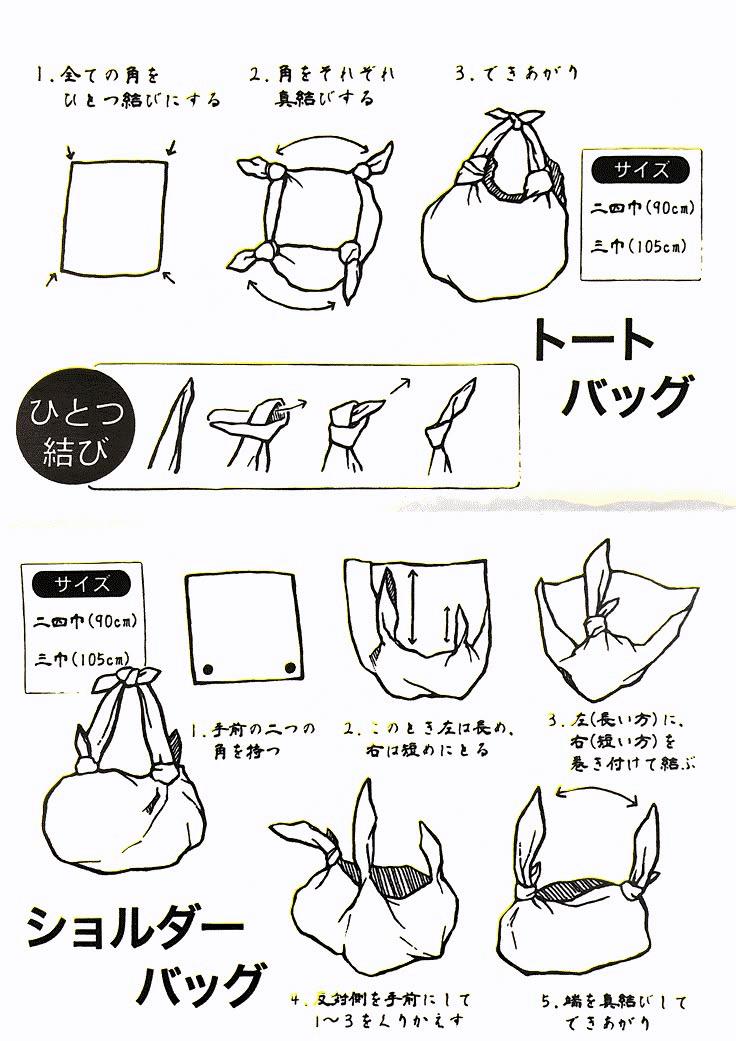
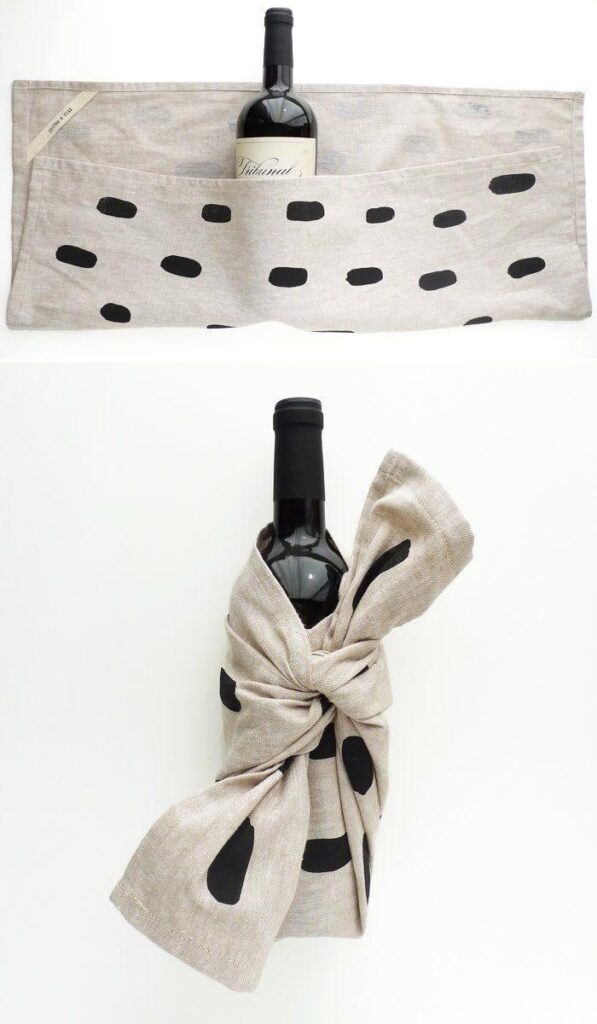
One of the most timeless methods comes from Japan: furoshiki. Though often discussed in modern sustainability circles, it’s rooted in centuries-old practice. Square pieces of cloth, cotton, silk, or linen are folded and knotted around gifts in endlessly adaptable ways. What I love about furoshiki is its softness. A bottle of wine wrapped in patterned fabric or a book tied in neutral linen feels less like packaging and more like an offering. The cloth can be reused, worn, or passed on, becoming part of the gift’s story rather than its waste.
Before bows were engineered and ribbons went synthetic, winter itself did the decorating. There’s a tension in natural wrapping that manufactured decor can’t replicate. Branches aren’t symmetrical. Needles shed. Bark flakes. The gift changes as the days pass.
This impermanence is the point.
A thin birch twig taped beneath paper creases differently each time the parcel is handled. Rosemary dries slowly, releasing scent. Eucalyptus curls as it loses moisture. The wrapping becomes active, aging alongside the season rather than remaining frozen in shine. In a culture obsessed with preserving “newness,” natural elements quietly refuse. Use bay leaves, pine needles, or dried seed pods tied with cotton string. Let them age naturally as the holiday passes.
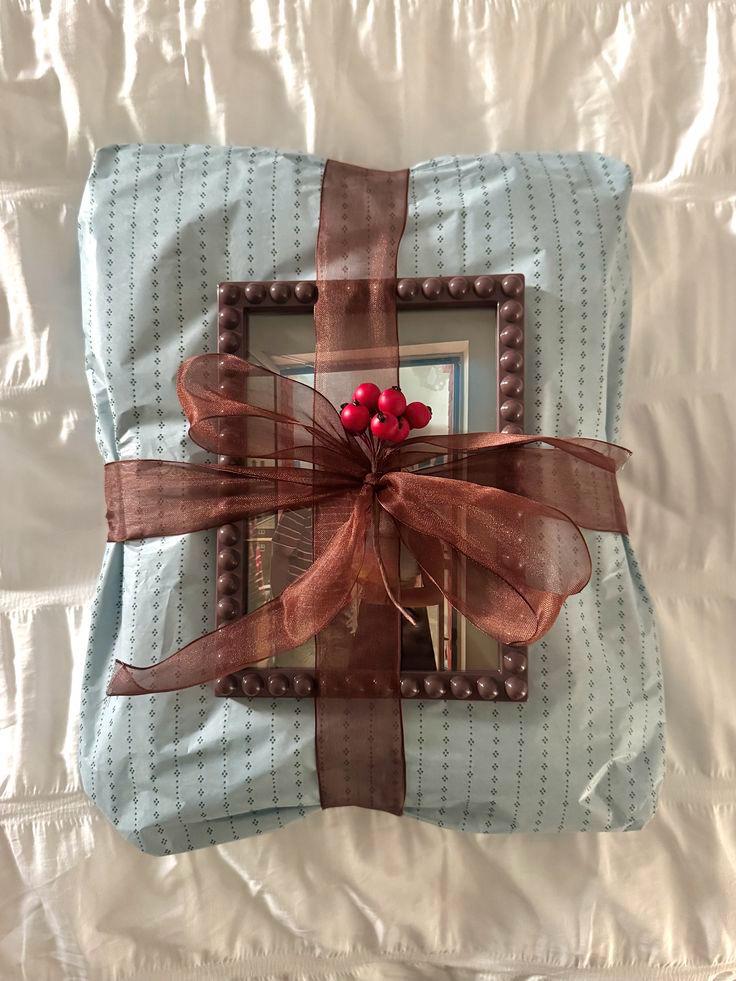
I have also stopped thinking of wrapping paper as seasonal. Instead, I’ve started thinking of it the same way I think about books, records, or clothes: would they love this? Morris-inspired wrapping paper works particularly well because it already lives in so many people’s visual memory. It’s been on cushions, notebooks, museum walls, fabric swatches. It doesn’t feel novelty. It feels known.
There’s something intimate about choosing wrapping paper that reflects the recipient’s taste rather than the calendar. It says: I know what you live with. I know what you look at. I know what feels like you.
In that sense, the wrapping becomes the first gift.
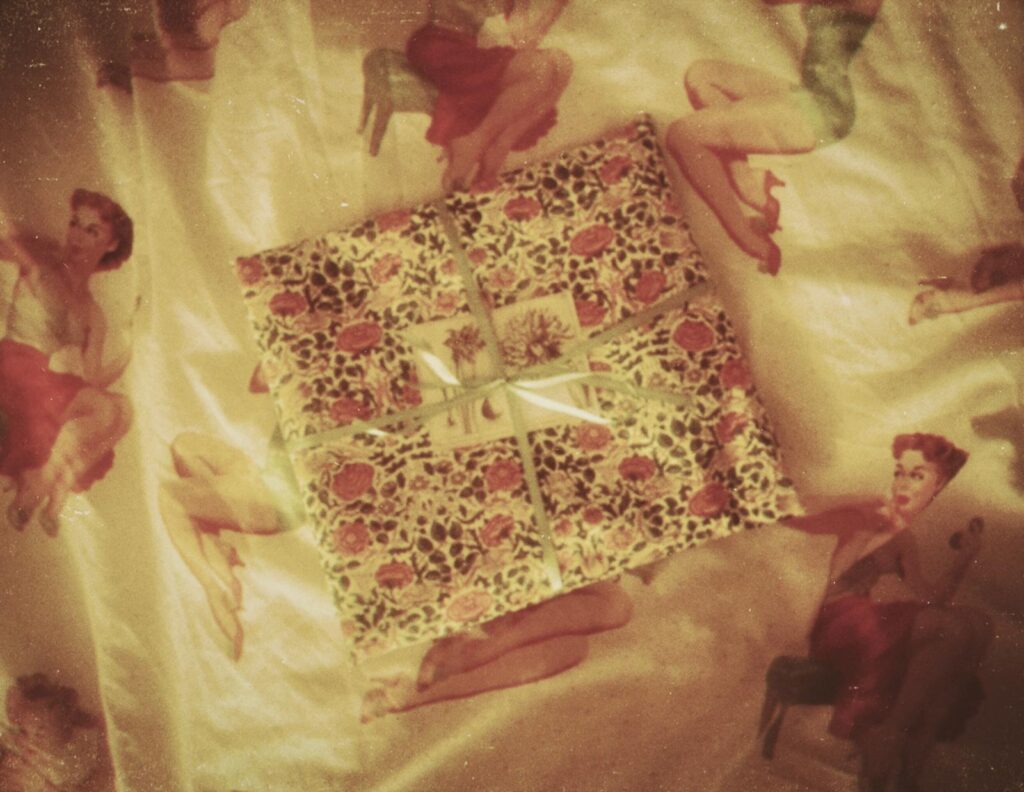
Adding stickers to gift wrapping is one of those small details that instantly makes a present feel more personal and joyful. A single sticker can act like a seal, a flourish, or even a tiny piece of
storytelling on the package. It’s such an easy way to elevate simple paper or plain tags without needing ribbons or bows at all.
Lately, my heart is very much with Nathalie Lété’s sticker books – whimsy, dreamy, and full of that slightly vintage, storybook charm. The characters, animals, and florals feel like they belong in
a fairy tale, which makes them perfect for wrapping gifts that you want to feel magical or lovingly curated.
That said, I completely respect the Christmas rule: if the sticker book itself is a gift, it must remain untouched until the big day as I am receiving it as a gift from my boyfriend.
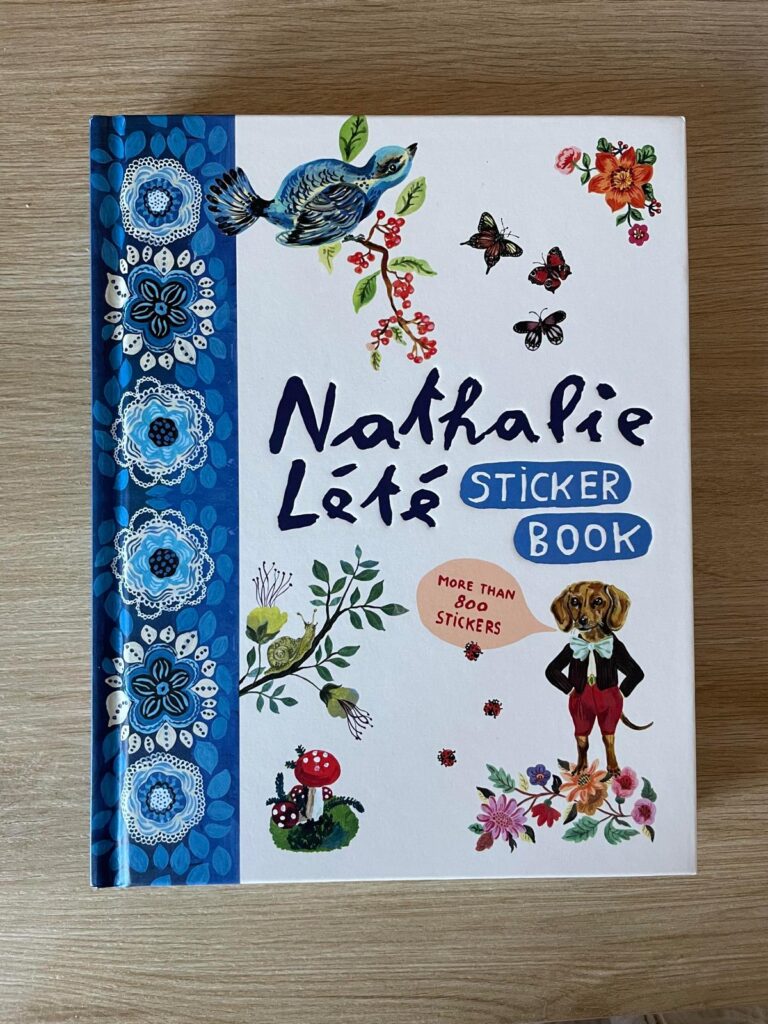
There’s something delicious about the anticipation of finally opening it and choosing the first sticker to use, it makes it feel ceremonial. Even one sticker can turn a wrapped gift into something that feels curated, playful, and deeply thoughtful. And when you finally get to use yours after Christmas, it’ll feel like unwrapping a gift all over again this time in sticker form.
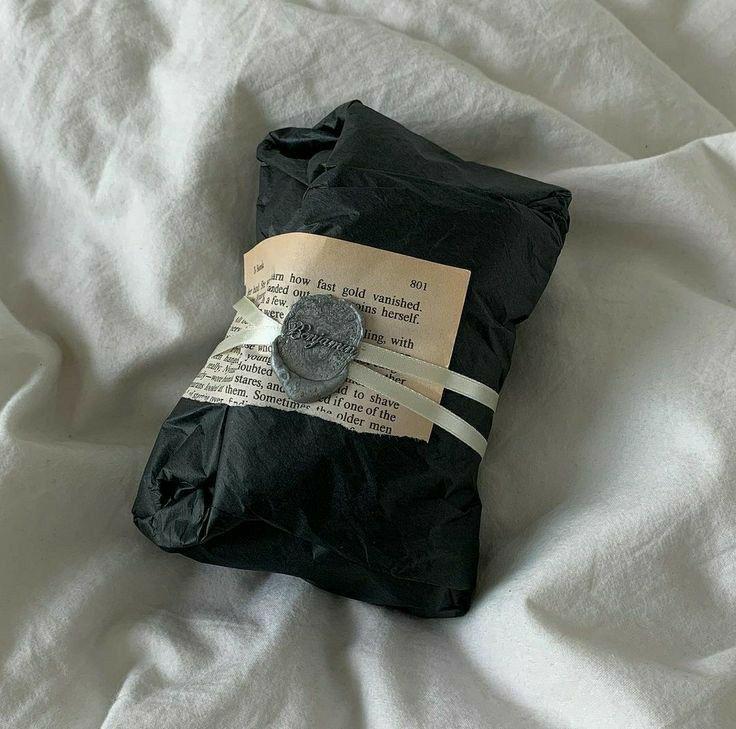
And finally, the art of gifting, presentation often plays second fiddle to the gift itself. Yet there’s a quietly transformative gesture that elevates even the simplest present: slipping a poem inside
the wrapping paper. It’s a move that feels both intimate and effortlessly chic; a small act of thoughtfulness that lingers long after the ribbon has been untied. Unlike a card, which announces itself, poetry inside wrapping is discreet; its discovery is part of the delight. It’s subtlety at its most sophisticated.
And maybe that’s the real invitation: to wrap together. To sit on the floor with people you love, tape stuck to your fingers, scissors misplaced, stories unfolding between folds. Let the act
become a shared space… imperfect, talkative, alive. Let it be creative rather than correct.
If the paper tears because you pulled it too tight, stop. Breathe. Patch it. Start again. Nothing meaningful is ruined by slowing down. Wrapping, like care, is allowed to show its seams.
This poem closes our reflection on wrapping, and on a year of Sleeve: what we chose to show, what we held back, and what we offered anyway.
Happy holidays, and thank you for reading.
this year
insisted
on surface
sparkles everywhere
volume turned up
until shine passed for truth
proof, apparently
we wrapped
against the noise
some of us
overwrapped
satin cinched tight
colour screaming from the seams
bows inflating
gesture becoming architecture
others refused
a stick
snapped clean
string
once
twice
no shine
no apology
only
intention
the difference mattered less
than the receiver
their hope-threshold
their capacity for unfastening
the way their hands
trembled
or didn’t
we learned:
excess can be care
refusal can be care
effort reveals itself
by moving
in opposite directions
some gifts carried fingerprints everywhere
creases memorised
paper taught where to bend
notes hidden like small, private truths
others arrived almost bare
and demanded trust
the object waited regardless
between wanting / giving
between what was shown
and what was meant
this year reminded us:
nothing
is neutral
not paper
not restraint
not shine
thank you for opening it with us
thank you for reading Sleeve
Leave a Reply