
Spring Fair’s 2025 report revealed that the average Briton purchased more than 61 new garments over the year. But ask them what they were wearing five years ago, and they might not remember.
In the constant churn of trends, fashion has become less about wearing and more about acquiring; an endless pursuit of novelty that leaves us oddly disconnected from the very fabric that touches our skin.
Clothes were once personal archives, collecting traces of who we were and what we lived through. What was once a sentimental piece, is now merely a prop on the stage of consumerism. Somewhere between the checkout and the next drop we have lost something special; the intimacy between body and garment.
Fashion has always thrived on reinvention, but nowadays the tempo feels impossible to keep up with. Aesthetic shifts happen within the span of a scrolling session. We are urged to constantly transform ourselves, undermining the very thing fashion stands for. With the rise of tiktok hauls, micro-trends and outfit posts, our true sense of identity and permanence is eroded. Novelty has become fragile, an endless pursuit of possibility wrapped in tissue paper.
But the thrill is fleeting, the dopamine dissolves. And so we chase the next purchase, the next persona, the next chance to feel something. Our identity is stolen from us and sold back with a false sense of security. We buy not because we need to, but because the temporary fantasy of “new” feels like progress.
Fashion is an emotional language, a manifestation of one’s inner self. In the current age of excess, those identities become superficial and a single outfit can feel obsolete after it has performed its duty on social media. We no longer expect to form relationships with what we wear — we anticipate the breakup.
There’s a subtle sadness in that. When everything is replaceable, nothing feels worth keeping.
But what if satisfaction doesn’t come from endless consumerism, but from innate familiarity instead? When we wear something again and again, it begins to know us. Our coats mould to our shoulders, our jeans fade along the creases created when we walk. Like a sort of DNA, our garments carry a unique story, paying tribute to the lives we have lived in them.
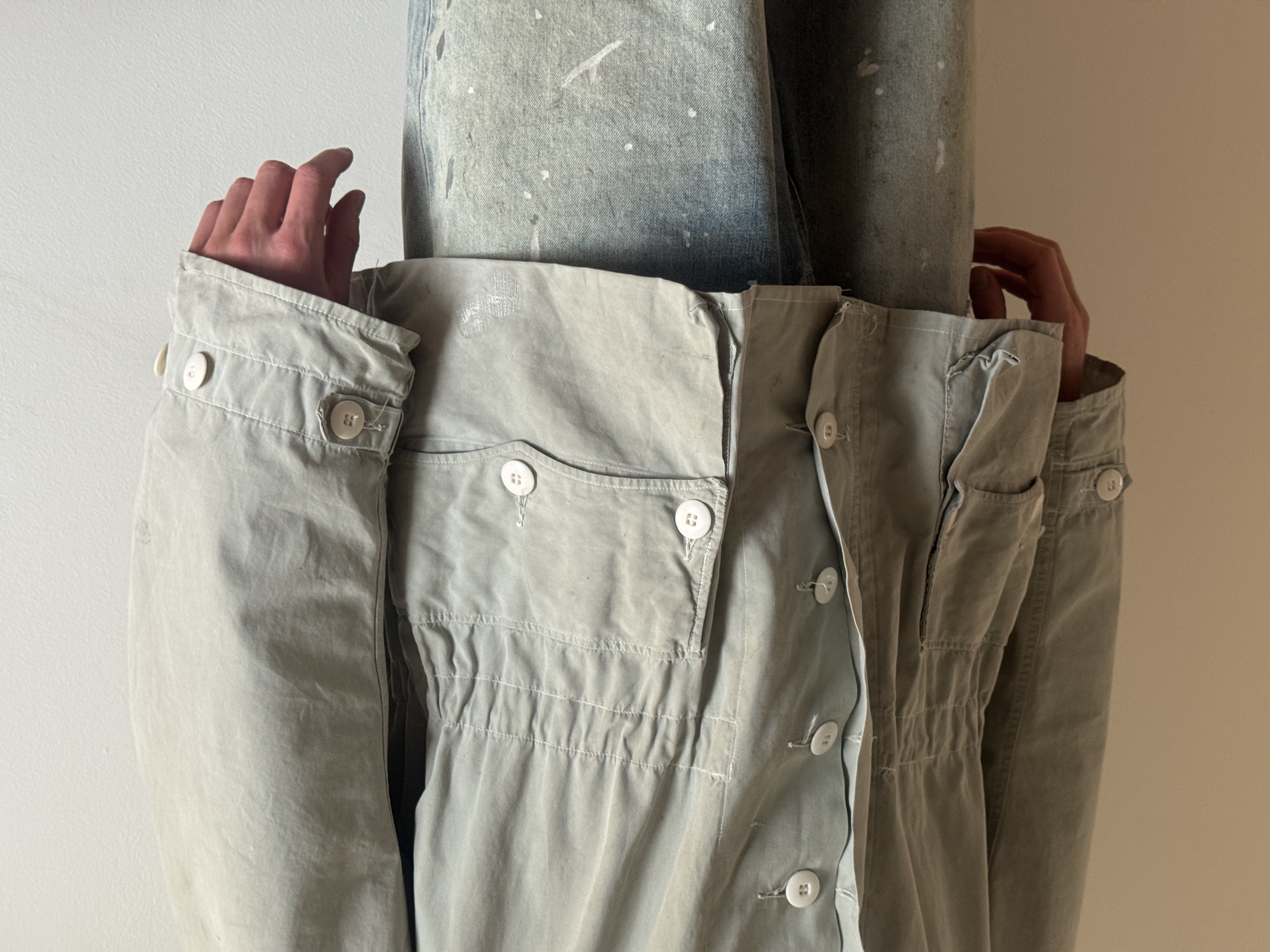
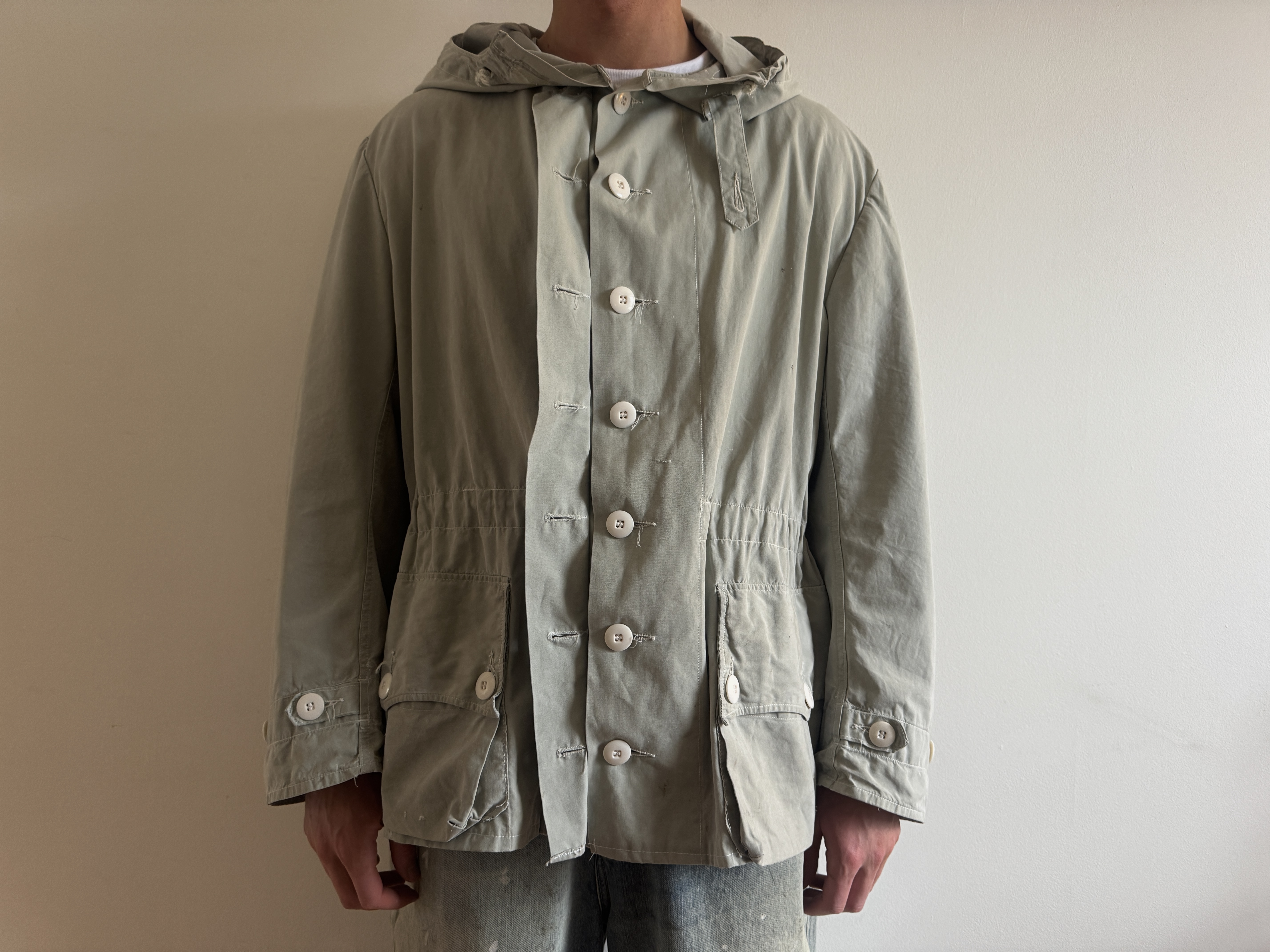
[A 1960s Swedish military jacket repaired over the years, by Will. A testament to its timeless style and endurance.]
Over the years, our clothes stop being objects and start becoming companions — silent witnesses to time, weather and the ordinary rituals of our days. With us through heartbreak and holiday, they yield to our gestures, soften at our touch.
The more we live in them, the more they tell the truth about us. A stain becomes a timestamp. A frayed cuff: a reminder of an old habit. The fabric remembers the smell of our skin long after we’ve hung it back up. These tiny transformations are acts of intimacy — the slow relationship between body and garment, between who we are and what we choose to wear.
And maybe there is a quiet rebellion brewing; repairing instead of replacing, collecting archival garments instead of discarding trends, spending more for something that will last longer. Designers focused on craftsmanship and durability are slowly reclaiming fashion from speed. Consumers are rediscovering the beauty in duration, not debut.
Spending our money on good quality, handmade garments, not only allows us to wear something that matters for longer. It allows us to show testament to a garment’s true quality and its ability to evolve alongside us in the ever-changing world of fashion. Real value is not measured by price or prevalence. It is measured by attachment.
As responsible consumers, we should be more careful, purchasing new garments based on what we already have; a creative and careful consideration for increasing the longevity and character of our wardrobes. Getting dressed should feel like less of a performance and more of a reunion. The garments we keep and continue to wear, narrate who we are with a tenderness that no mass-produced novelty can replace.
So next time you reach for the newest thing, pause. Reach instead for what knows you, the quiet witness to your life asking only to be remembered, not replaced.
References:
Spring Fair (2025) The UK fashion industry in 2025: Trends, stats and what’s next. Available at: https://www.springfair.com/news/uk-fashion-industry-2025-trends-stats-s-next (Accessed 19 Feb 2026)
Leave a Reply